Even if two people go to the hospital because of snoring and undergo the same test, the amount they pay can be significantly different. The reason is simple. Our system views ‘sleeping noisily’ and ‘stopping breathing while sleeping’ as different problems. The former is generally non-covered, while the latter may be covered by National Health Insurance when diagnostic criteria are met.
So, it is natural for cost planning to be made after the test results are released. Below, we summarize the reimbursement requirements for polysomnography, judgment based on apnea/hypopnea index (AHI), positive airway pressure support structure, situations in which covered and non-covered costs are combined in the surgical field, and the order of confirming Korean private indemnity health insurance.
Summary
- Simple snoring is not covered, but if sleep apnea is diagnosed, it moves to covered area.
- Polysomnography must follow specialist consultation and the required history and examination to meet National Health Insurance coverage criteria.
- If test indicators such as AHI meet the standards, positive airway pressure (CPAP) can be used through a subsidized rental program.
- A surgical plan may combine functional nasal and pharyngeal procedures, with covered and non-covered charges on the same bill.
- Korean private indemnity health insurance results vary depending on the generation and special contract, so it is better to check the terms and conditions before test.
1. Why simple snoring and sleep apnea are treated differently
Snoring is a sound made when the upper airway narrows while sleeping. If there is only sound and no significant changes in breathing flow or oxygen saturation, it is classified as simple snoring. In this case, treatment is often treated as non-covered because it has a strong quality-of-life improvement nature.
On the other hand, if breathing repeatedly stops or becomes shallow during sleep, causing oxygen saturation to drop and arousal to occur, it is a disease called obstructive sleep apnea. Daytime sleepiness, morning headaches, difficulty concentrating, and blood pressure management are all areas where treatment is recognized and addressed. The two cannot be distinguished by sight, and are divided only by test. A bed partner saying, “They seem to stop breathing” is a common starting point for referral, but that observation alone does not make a diagnosis.
2. Coverage requirements for polysomnography
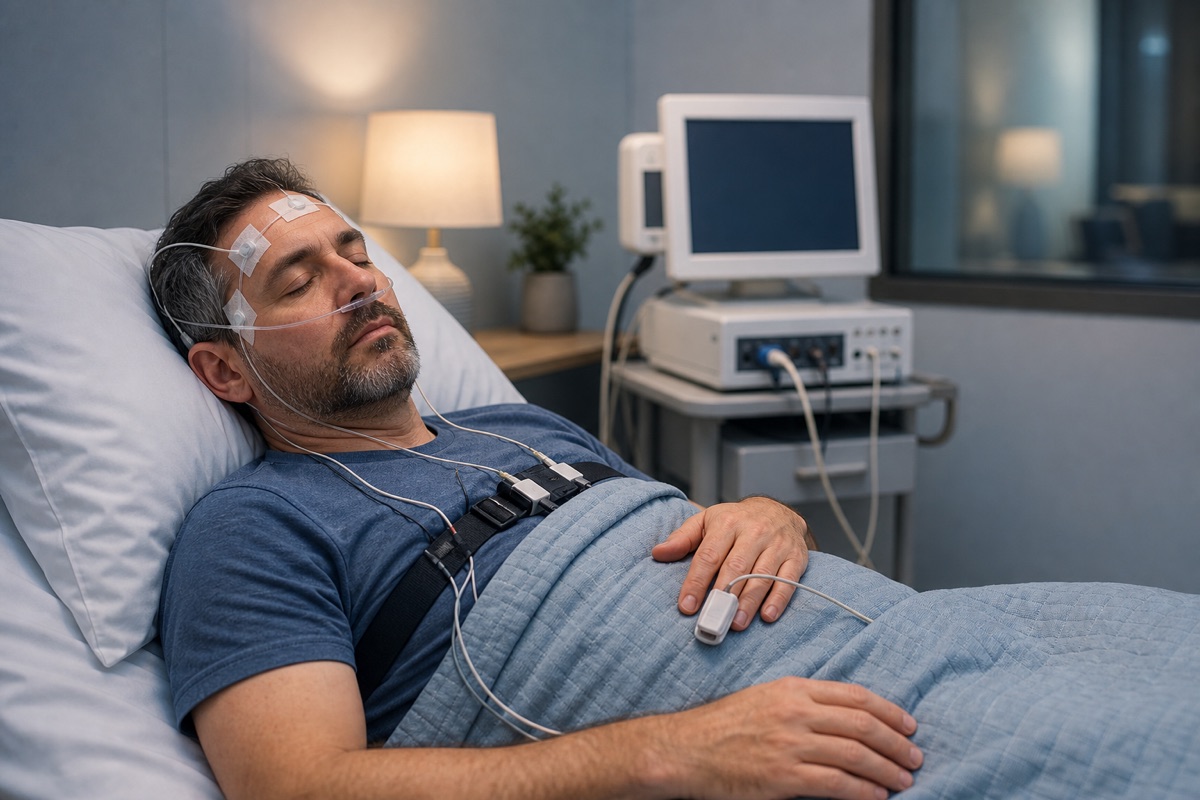
Polysomnography is a test that evaluates sleep quality and breathing abnormalities by recording brain waves, eye movements, respiratory flow, oxygen saturation, and snoring sounds. In order to be recognized for health insurance benefits, there is a procedural requirement that requires treatment by a specialist in the relevant department, rather than booking the test without the required clinical evaluation.
| Requirements | Content |
|---|---|
| Specialist care | Performed after an in-person evaluation by a relevant specialist |
| Preliminary interview/examination | Sleep-related symptom questionnaire and physical examination (including upper respiratory tract and nasal passages) recorded |
| Clinical necessity | Based on symptoms including snoring, observed apnea, and daytime sleepiness. |
| Test method | Test equipment and readings that meet established standards |
The test can still be performed without following that process, but it may not qualify for coverage and the patient may pay more. Before scheduling, confirm whether the test will be covered and which clinical steps are required first.
3. AHI and CPAP rental support
The most frequently mentioned indicator in test results is AHI (apnea/hypopnea index). It indicates the number of apneas and hypopneas per hour of sleep, and severity is determined by looking at this number along with accompanying symptoms and underlying diseases. The degree of oxygen saturation decline and changes in sleep structure are also interpreted.
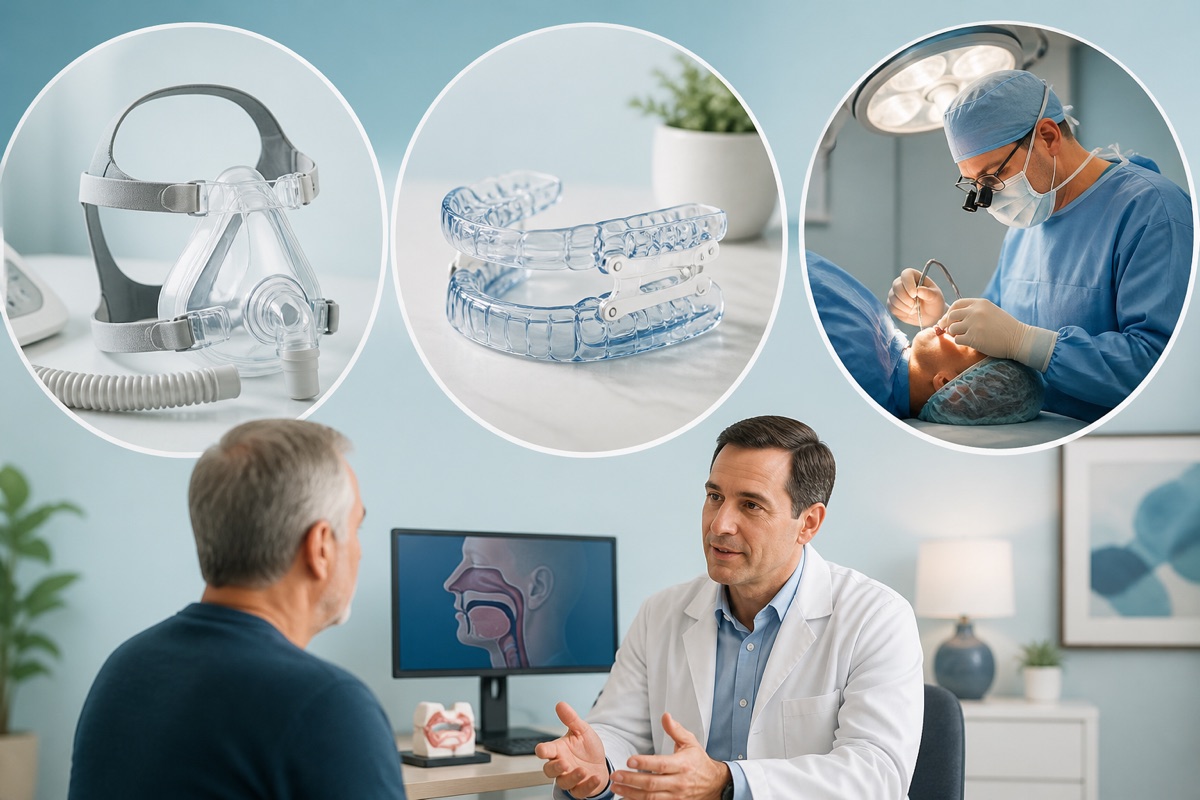
Positive airway pressure is a treatment that applies constant pressure to the airway while you sleep to keep the upper airway from collapsing. Health insurance provides support in the form of rental rather than purchasing the device and receiving a refund, and is only applied if set criteria are met. In addition, support will continue only when compliance is maintained by checking usage records for a certain period of time after prescription. Because the daily usage time and days of use are recorded, adjusting the mask type and pressure settings during the initial adaptation phase is of practical importance.
Since the standard values and support conditions are managed by notice and are subject to change, it is best to check specific values and procedures at the medical institution performing the test or the National Health Insurance Corporation.
4. Surgery may combine covered and non-covered procedures
When discussing surgical treatment, the areas covered are largely divided into the inside of the nose (nasal cavity) and the inside of the throat (pharynx). The approach varies depending on which point is narrow, and the cost structure also varies accordingly.
| Area | Representative procedure | Typical coverage status |
|---|---|---|
| Nasal cavity | Nasal septum correction, inferior turbinate reduction surgery | Reimbursement eligible if functional indications are confirmed |
| Pharynx | Uvulopharyngoplasty, etc. | Coverage varies with the sleep apnea diagnosis and surgical indication. |
| Simple snoring treatment | Soft palate-related procedures, etc. | Often treated as non-covered care |
| Additional items | Some materials/equipment, difference in premium ward | Non-covered care |
The key point is that even for surgeries with the same name, the calculation varies depending on the diagnosis and indications. Therefore, comparing only the total amount does not allow comparison between hospitals with different item compositions. It is better to request and confirm data containing the classification of covered and non-covered items by item before surgery.
Clinically speaking, treating only the throat when the nose is obstructed—or opening only the nose while significant throat-level obstruction remains—may not produce the expected result. It is reasonable to discuss the treatment method and cost after receiving an explanation as to which point was found to be the main area of obstruction in the examination.
5. Korean private indemnity health insurance confirmation sequence
- Verify your policy generation: The deductible rate and non-covered care special contract structure vary depending on the time of subscription. The 3rd generation separates some non-covered care coverage into special contracts, and the 4th generation divides benefit and non-covered care coverage into separate coverage.
- Read the exclusions in the policy terms: View provisions related to examination fees, treatment materials, and the purpose of improving beauty and quality of life.
- Contact the insurance company with the diagnosis and test/surgery name.: To receive an accurate answer, you must provide the diagnosis and test name as is, not “because of snoring.”
- Inquire about estimated medical expenses at the hospital: Request information on the classification of insurance-covered care and non-covered care items.
- Prepare documents: A medical certificate or opinion, test results, surgical records, medical fee invoice/receipt, and itemized medical bill are usually required.
Hospital guidance and insurance company judgment follow different standards. You need to check both sides so you can estimate your actual cost.
Frequently Asked Questions
Q. Can I receive compensation for a polysomnography test even if I only have snoring? A. Even if apnea is not confirmed at the time of the test, if there are related symptoms and clinical necessity is recognized after specialist evaluation and the required history and examination, the reimbursement process may proceed. However, since detailed accreditation requirements are set, it is best to check with the relevant medical institution before testing.
Q. Can I buy a CPAP machine and get it back later? A. Health insurance is structured to provide support in the form of rental rather than refund after purchase. There are continuation requirements depending on whether the standards are met, prescription procedures, and subsequent use records, so please check the procedures at the place where you were tested or the National Health Insurance Corporation.
Q. Will snoring go away after surgery? A. No outcome can be guaranteed. The course varies depending on the area and degree of obstruction, weight, sleeping position, and underlying disease, and in many cases, multiple areas are involved together. Based on the test results, it is a good idea to hear an explanation and decide what area the surgery is intended to improve, what changes and limitations can be expected.
This article is general health information and is not a substitute for individual medical care. If symptoms persist or worsen, please seek treatment at a medical institution.